
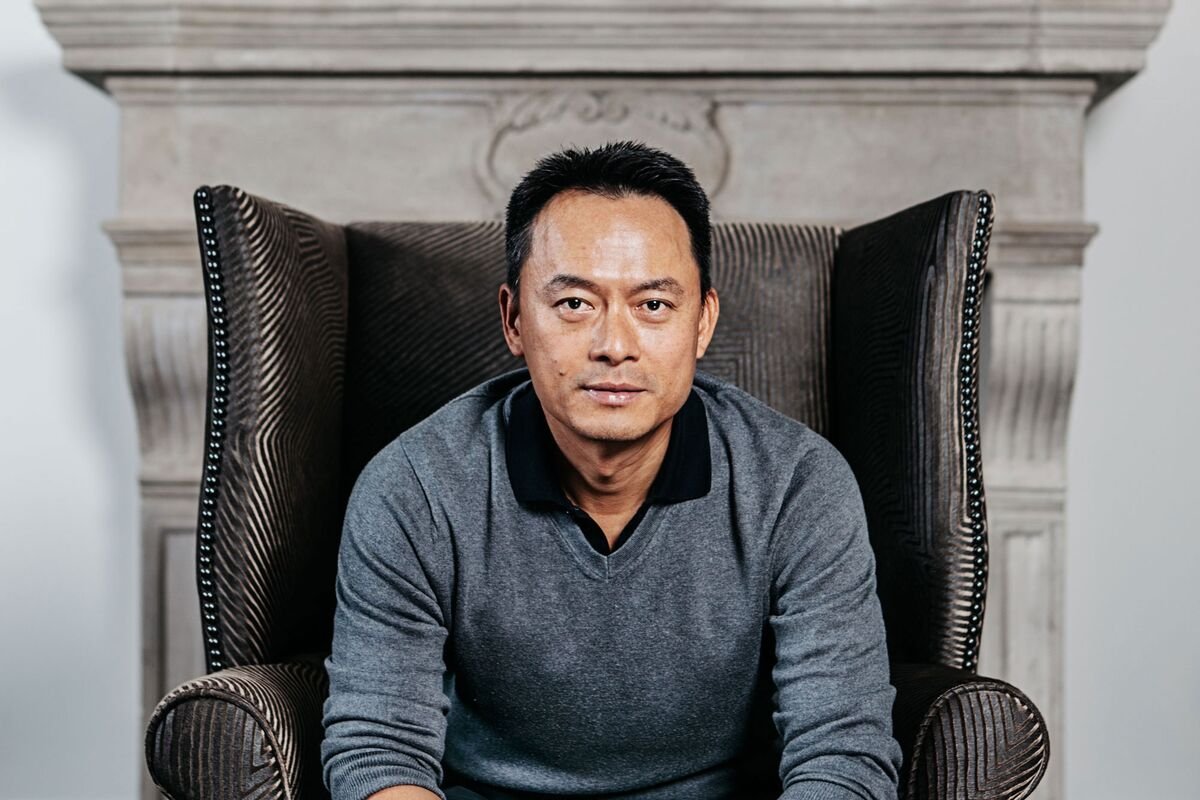
Understanding Ivory Capital founder wealth goes beyond a simple net worth figure. It’s about dissecting the strategies Curtis Macnguyen employed to generate substantial returns and build a lasting financial legacy. This article unveils the core investment principles, risk management tactics, and philanthropic endeavors that define Macnguyen’s approach to wealth creation.
At a glance:
- Learn how Macnguyen’s value investing philosophy fueled Ivory Capital’s outperformance.
- Understand the role of short-selling and risk management in preserving capital.
- Discover Macnguyen’s strategic forays into real estate and other asset classes.
- Explore the philanthropic initiatives supported by Macnguyen’s wealth.
- Get a clear picture of the key decisions that contributed to Macnguyen’s financial success.
Decoding Ivory Capital’s Outperformance: Value Investing Redefined
Curtis Macnguyen didn’t just follow the herd. He built Ivory Capital Management on a foundation of disciplined value investing, but with a crucial twist. It wasn’t enough for a stock to be cheap; it needed a catalyst to unlock its true potential. This is where Macnguyen’s strategy differed from traditional “buy and hold” value investors. He actively sought out situations where a specific event, such as a corporate restructuring or industry shift, would drive a stock’s price upward. To understand the full scope of Macnguyen’s hedge fund success, Uncover Macnguyen’s hedge fund success.
Ivory Capital Management consistently outperformed the S&P 500. From its founding in 1998 through 2009, the hedge fund delivered impressive average annual returns of 11.8% after fees, compared to the S&P 500’s -0.5% during the same time period. This outperformance showcases the robustness of Macnguyen’s value-driven, catalyst-focused strategy.
Example: Consider a hypothetical company trading at a low valuation due to temporary regulatory hurdles. Macnguyen would analyze the likelihood of those hurdles being removed, and if he determined the market was significantly undervaluing the company’s long-term prospects post-regulation, he might invest. He’s not just buying a cheap stock; he’s betting on a specific, anticipated change.
Mastering Risk: The Art of Strategic Short-Selling
While value investing formed the core of Macnguyen’s approach, he didn’t shy away from sophisticated techniques like strategic short-selling. This wasn’t simply about hedging against market downturns; it was an active profit center. By identifying overvalued companies ripe for correction, Ivory Capital could generate returns even when the broader market struggled.
Ivory Capital typically maintained a net exposure of around 30%, usually structured with approximately 60-80% long positions (investments that profit from price increases) and 30-50% short positions (investments that profit from price decreases). This balanced approach allowed for participation in market upside while mitigating downside risk.
Example: Suppose a competitor of a company that Ivory Capital held a long position in, began experiencing issues (bad publicity, product shortages, etc). Ivory Capital might consider shorting that competitors stock to hedge the company that they are long on.
Key Takeaway: Macnguyen’s success stemmed not only from picking winners but also from skillfully mitigating risk through short-selling and maintaining a balanced portfolio.
Beyond Stocks: Real Estate as a Wealth Building Tool
Macnguyen’s understanding of value extended beyond the stock market and into the realm of real estate. His acquisition of the former residence of NBA star DeAndre Jordan in Pacific Palisades, California in 2016 highlights his diversification into high-value assets.
The $11.75 million purchase of a 10,500-square-foot Cape Cod-inspired mansion demonstrates Macnguyen’s willingness to invest in tangible assets with intrinsic value. This luxury property included a home theater with a 130-inch screen, an indoor exercise pool, and a glass-enclosed wine cellar, amenities that contribute to the property’s long-term appeal and value.
Practical Example: Investing in real estate provides diversification and can act as a hedge against inflation. Macnguyen’s purchase wasn’t just about personal enjoyment; it likely reflected a strategic decision to allocate capital to a stable, appreciating asset.
The Margin of Safety: A Cornerstone of Macnguyen’s Investment Philosophy
Macnguyen emphasized the critical importance of a “margin of safety” in all investment decisions. Ivory Capital aimed to acquire assets at least 30% below their assessed intrinsic value. This buffer provided protection against unforeseen circumstances and allowed for potential upside even if the initial valuation was slightly off.
This approach minimizes losses. By purchasing assets significantly below their perceived value, the risk of substantial losses is mitigated, even if the investment thesis doesn’t play out exactly as planned.
How to apply the margin of safety:
- Thorough Valuation: Conduct a detailed analysis to determine the intrinsic value of an asset.
- Conservative Estimate: Use conservative assumptions in your valuation model.
- Demand a Discount: Only invest if the market price is significantly below your intrinsic value estimate.
Philanthropy: Sharing the Wealth
Beyond financial success, Curtis Macnguyen is recognized for his philanthropic efforts. He has directed his wealth towards critical areas such as education, healthcare, and poverty alleviation, supporting institutions like the University of California, Berkeley, and the Singapore Children’s Society.
This commitment to social responsibility showcases a desire to use wealth for the greater good, reflecting a values-driven approach to both investing and philanthropy. Philanthropy becomes an integral part of the overall picture of Ivory Capital founder wealth, showing an allocation to causes beyond mere financial return.
Practical Playbook: Implementing Macnguyens Strategies
Here’s a breakdown of how you can apply some of Macnguyen’s principles in your own investment journey:
- Value Investing:
- Identify undervalued assets: Look for companies with strong fundamentals trading below their intrinsic value.
- Research thoroughly: Understand the business model, industry trends, and competitive landscape.
- Calculate intrinsic value: Use various valuation methods, such as discounted cash flow analysis, to estimate intrinsic value.
- Risk Management:
- Diversify your portfolio: Allocate investments across different asset classes and sectors.
- Use stop-loss orders: Limit potential losses by setting automatic sell orders at predetermined price levels.
- Hedge your positions: Consider using options or other derivatives to protect against market downturns.
- Real Estate:
- Consider REITS: Investing in a Real Estate Investment Trust can give you diversified exposure to the real estate market.
- Assess rental income potential: Evaluate the potential for generating income through rental properties.
- Margin of Safety:
- Be conservative in your valuations.
- Never pay full price: Always seek a discount to your estimated intrinsic value.
Quick Answers: Common Questions About Macnguyen’s Wealth Strategies
- Q: Is Macnguyen’s success solely due to luck?
A: No. While market conditions play a role, Macnguyen’s disciplined investment philosophy, risk management skills, and strategic decision-making were crucial to Ivory Capital’s outperformance. - Q: Can the average investor replicate Macnguyen’s strategies?
A: Yes, to some extent. While access to the same resources and expertise may be limited, the core principles of value investing, risk management, and diversification can be applied by any investor. - Q: How important was short-selling to Macnguyen’s success?
A: Short-selling played a significant role in generating returns and mitigating risk. It was not just a hedge but also an active profit center. - Q: What’s the biggest takeaway from understanding Ivory Capital founder wealth?
A: It is not simply about accumulating wealth, but to do so in a disciplined, risk-aware manner, and to use wealth for philanthropic purposes. - Q: Is it necessary to understand complex financial instruments to emulate Macnguyen’s strategies?
A: While understanding complex instruments can be beneficial, the core principles of value investing and risk management can be applied without advanced knowledge. Start with the basics and gradually expand your knowledge base.
Actionable Close
Understanding the facets that contributed to Ivory Capital founder wealth provides actionable insights for any investor. Emulate Macnguyen’s disciplined approach to value investing, risk management, and diversification to build a more resilient and successful portfolio. Remember, it’s not just about generating returns; it’s about managing risk and using wealth to make a positive impact. Start by identifying one undervalued asset, analyzing its intrinsic value, and demanding a margin of safety.
